People rarely read their auto policy until the day they need it. That is when the fog lifts on half-remembered advice from a neighbor, a viral post, or a quick remark from a clerk at the rental counter. After fifteen years as a State Farm agent and agency owner, I can tell you most of the pain I see during claims comes from myths believed long before the loss. You do not need to master every clause in your policy, but you do need to separate folk wisdom from the way coverage actually works.

This is a field guide to common car insurance myths, grounded in day-to-day conversations at an insurance agency. I will use plain language, local examples from the Gulf Coast, and a few numbers to anchor expectations. The goal is simple: help you make choices with a clear head, so that a fender bender or a hurricane squall does not turn into a financial crisis.
A quick note on how policies really function
Car insurance is a contract. The language is standardized by state regulators, then adapted by each insurer. That means rules in Texas are not identical to California or Florida. Terms like liability, collision, comprehensive, medical payments, personal injury protection, and uninsured motorist come with definitions that matter down to commas and semicolons. When something goes wrong, adjusters do not reference internet threads. They reference that contract.
If you keep this one truth in mind, the myths fall apart faster. Let us tackle the most persistent ones I hear at my desk, on the phone, and at weekend ball fields.
Myth 1: Red cars cost more to insure
Color does not appear anywhere on a car insurance rating sheet. When we quote State Farm insurance, or any mainstream carrier, we enter the vehicle identification number, which reveals year, make, model, engine, safety equipment, and sometimes trim. The VIN does not carry the paint code. Premiums move because of statistically relevant factors like how expensive the car is to repair, how often that model is stolen, and how it performs in crash tests. A red Camry SE and a silver Camry SE with the same driver and garaging address will get the same State Farm quote, all else equal.
Where this myth lingers is at the intersection of perception and enforcement. Drivers of bright cars sometimes get noticed more on the road, so they think they get more tickets. Even that link is weaker than people assume. In underwriting, the citation or at-fault accident itself will move your rate, not the paint color of the door you dented.
Myth 2: If someone else drives my car, their insurance pays
In Texas and many other states, insurance follows the car first. If you lend your vehicle to a friend with a valid license and they cause an accident, your policy is typically primary for liability and any elected physical damage coverages, such as collision. Your friend’s insurance might step in as excess if the damages exceed your limits, or to cover gaps that your policy does not fill. But expect the claim to start with you.
This is why I caution clients about casual lending, especially if they carry state-minimum liability limits. If your friend totals a luxury SUV and sends two people to the hospital, you could face damages well beyond 30/60/25 limits. When lending the car feels like a favor, remember that the favor includes lending your liability limits, your deductible, and potentially your long-term premium.
Myth 3: Full coverage means everything is covered
There is no policy called full coverage. Most people use the phrase to mean they carry state-required liability plus collision and comprehensive. That trio is a good foundation, but it does not pay for everything that can go wrong.
Collision pays to repair or replace your car when you hit another vehicle or object, subject to your deductible. Comprehensive, sometimes called other than collision, covers non-collision losses like hail, theft, flood, fire, vandalism, and animal strikes. Liability pays for bodily injury and property damage you cause to others.
What it does not automatically include: rental reimbursement, roadside assistance, gap coverage for an upside-down loan, custom equipment, or loss of use if someone damages your vehicle and you need a rental. Those are optional endorsements. I once sat with a Corpus Christi teacher after a tropical storm dropped a tree on her compact sedan. She had liability plus comprehensive, which paid the actual cash value of the car. What it did not include was rental reimbursement. She assumed full coverage meant a paid rental until the check arrived. The difference between two dollars a month and a major disruption is often an endorsement you can add in five minutes.
Myth 4: Minimum limits are enough if you “drive carefully”
I meet careful drivers every day. Many have not had a ticket in years. They still share roads with people who look down at their phones and with traffic that changes fast. Bodily injury claims move quickly from thousands into tens or hundreds of thousands when hospital stays, surgery, or long-term therapy enter the picture.
Consider a crash that injures two occupants in another car. If you carry a minimum split limit policy in Texas, 30/60/25 means your insurer pays up to 30,000 per person, 60,000 per accident total for all bodily injury, and 25,000 for property damage. A single helicopter transport can cost 20,000 to 40,000. An overnight in the ICU can add 10,000 to 15,000 per day. If three people are hurt, that 60,000 aggregate caps out fast. Anything beyond your limits can become your problem. Judgments can attach to assets or future wages.
Raising liability limits is one of the least expensive ways to protect savings, a home, or a business. For many households I work with, going from minimums to 100/300/100 or 250/500/100 costs the equivalent of a nice meal each month. If your net worth is higher, an umbrella policy can add another million or more of liability protection, usually for a few hundred dollars a year. The choice turns on your risk tolerance and real exposure, not whether you consider yourself a good driver.
Myth 5: Comprehensive covers everything that is not your fault
Comprehensive is not a catchall for bad luck. It has a defined list of perils, and those perils vary a bit by state. Theft, vandalism, hail, flood, fire, glass, and animal damage are the standard. If a shopping cart rolls into your bumper in a parking lot, that is collision. If you swerve to miss a dog and strike a mailbox, that is collision. If a wind-blown object strikes a parked car, that is usually comprehensive. Cause matters. Adjusters will ask detailed questions because the coverage hinges on how the damage occurred.
Where I live, clients worry about hurricanes. If rising water inundates your car, that is comprehensive. If debris hits your roof while driving on the evacuation route, that is comprehensive as well. If you brake too late in heavy rain and rear-end another car, that is collision. Same storm, different coverage. The deductible and rating impact can differ in each scenario.
Myth 6: Credit has nothing to do with car insurance
Most states allow insurers to use a credit-based insurance score, which is not the same as a lending score but correlates with claim frequency and severity. In Texas, this is permitted with restrictions. Carriers cannot use credit as the only basis for a rate. They cannot penalize you for medical debt or certain life events in some cases. Still, the score can sway premiums by a noticeable margin.
I see this in practice when two drivers with similar vehicles and clean records get quotes that differ by 15 to 25 percent. When we review the file, credit-based scoring is often the driver. You do not need perfect credit to get fair rates, and State Farm insurance is not alone in using this tool. If your credit improves, ask your insurance agency to rerun the score at renewal. This is not a one-and-done figure for life.
Myth 7: Older cars do not need comprehensive and collision
Dropping physical damage coverage can be sensible once the car’s value falls below what you are comfortable self-insuring. That threshold is personal. If your sedan is worth 5,500 and you carry a 1,000 deductible, ask yourself whether you can write a check to replace it if it is stolen or totaled. Some clients keep comp but drop collision, because comprehensive is usually cheaper and it protects against theft, hail, and flood. In Gulf Coast towns, hailstorms and rising water remain real concerns for vehicles long past their factory warranty.
I had a client with a twelve-year-old pickup still used for weekend side jobs. He wanted to cut costs by removing comp and collision. We checked the value, about 8,200, and priced the coverages. They ran under 14 dollars a month for comprehensive and 24 for collision. He kept comp, dropped collision, and felt good about the trade-off. Six months later, thieves punched the door lock at a boat ramp. Comprehensive paid for the repair and stolen tools that were listed on a separate endorsement, less his deductible. Without it, that weekend job would have gone upside down.
Myth 8: My insurance company will always pay OEM parts
Policies generally promise to repair your car to pre-loss condition using parts of like kind and quality. That often means aftermarket or recycled parts for vehicles outside the warranty period. Some carriers and states have rules about notice and consent. Original equipment manufacturer parts can be specified by endorsement in some cases, but you will likely pay more for that option.
Body shops in Corpus Christi do terrific work with quality aftermarket components. If your car is brand new or your lease requires OEM, tell your State Farm agent upfront so the policy reflects that preference. Waiting until a claim to discover the parts language leads to frustration. The cheapest time to align expectations is at purchase, not after an accident.
Myth 9: If I buy a car on Saturday, I can wait to add it Monday
Most policies include a newly acquired vehicle clause that offers temporary coverage for a short window, commonly between 4 and 14 days depending on the coverage type and your existing policy. The wrinkle is that the temporary coverage mirrors what you already carry. If your current policy does not include collision, the new car will not have collision under the temporary provision. Another wrinkle: lienholders require comprehensive and collision from the moment you drive off the lot.
Dealerships in town regularly fax or email the buyer’s order to our office on weekends, and we bind coverage within minutes. If you are shopping and plan to sign on a weekend, call your insurance agency near me in advance and ask about the exact grace period in your state and policy. Do not assume a universal 30-day rule, because there is no such guarantee.
Myth 10: Claims raise rates every time, even if I am not at fault
Not-at-fault claims are treated differently than at-fault collisions. Many carriers will not surcharge you for a true not-at-fault loss, such as being rear-ended while stopped, especially when they recover the payout from the other carrier through subrogation. However, multiple not-at-fault claims in a short span can still influence your overall rate, because loss history is one input among many. Comprehensive claims for hail or glass usually carry smaller or no surcharges, yet a high frequency of any claims can draw attention.
I tell clients to think in terms of pattern rather than single events. If a rock chips your windshield and your comprehensive deductible is 100 with full glass coverage, file it. If the deductible is 500 and the crack is small enough to repair for 150, paying out of pocket might be cleaner. There is no one-size rule, but there is a clear principle: use insurance for the losses you cannot or do not want to absorb, and do not sweat the ones that fit your budget.
Myth 11: Personal auto automatically covers business use and rideshare
Many people blend personal and commercial activity without realizing it. If you deliver food on weekends, run client appointments in your SUV, or tow a landscaping trailer twice a week, you are likely outside standard personal-use definitions. Some business use can be covered by endorsement. Some cannot. Rideshare drivers usually need a rideshare endorsement to close the gap between the app period when you are waiting for a fare and the time a company policy applies during an active trip.
An accountant in our neighborhood used his minivan for family and quarterly runs to clients’ offices, carrying file boxes and a portable scanner. He assumed his personal policy was fine. His agent, me, added a business use endorsement for a negligible premium once we mapped his routine. A consultant who picks up airport fares three nights a week, on the other hand, needed a specific rideshare add-on. Small tweaks up front beat big arguments later.
Myth 12: I do not need uninsured motorist coverage because I have health insurance
Uninsured and underinsured motorist coverage does several things that health insurance does not. It helps pay for your pain and suffering when another driver with no or insufficient liability harms you. It can cover lost wages and household help, depending on the state. UM property damage can help fix your car if the at-fault driver lacks coverage and you do not carry collision.
In Texas, a significant portion of drivers either carry minimum limits or drive with lapsed policies at some point. The Department of Insurance publishes ranges, and while the exact percentage moves over time, it is enough that I recommend UM/UIM to nearly everyone. Health insurance will tackle medical bills, subject to copays and deductibles, but it will not replace your missed paychecks or compensate you for a permanent impairment. UM/UIM is the layer that recognizes the at-fault driver’s failure to protect you.
Myth 13: Young drivers should be insured on their own to save money
Insuring a teen or a 20-year-old on a separate policy usually increases total cost and weakens coverage. Households typically get better pricing by listing all drivers and vehicles together, leveraging multi-car and multi-line discounts. A young driver on a parent’s policy also benefits from higher liability limits and umbrella protection if the family carries it.
Where it can make sense to split a policy is when driving records diverge sharply or when living arrangements change. A college student with a clean record and a modest car garaged on campus within a defined mileage from home might qualify for a distant-student or good student discount. A 19-year-old with two at-faults could cause a hardship for the family rate. Even then, I walk families through the math before deciding. Emotion says kick him off. The numbers sometimes say keep him on with a driver plan and coaching, because a separate high-risk policy can be punishing.
Myth 14: Shopping every six months guarantees a lower premium
Comparison shopping has value, but rate chasing on a short cycle can produce diminishing returns. Carriers file rates periodically, and market-wide trends like parts inflation, labor shortages, storm frequency, and lawsuit severity affect everyone. When repair costs climbed 10 to 15 percent in a recent 18-month stretch, most insurers adjusted rates. Jumping at every renewal can strip you of tenure-based discounts and claim forgiveness programs.
I advise a structured approach. Review your policy annually with a State Farm agent or any trusted insurance professional. Update vehicles, mileage, drivers, and discounts. Ask for a fresh State Farm quote if your situation changed in meaningful ways. If rates spike more than your comfort, get a competitive bid from an independent insurance agency or two, then weigh not only price but claims reputation, local adjuster availability, and coverage differences. Savings matter, service and language in the policy matter too.
Myth 15: Car insurance is the same at every carrier, so just pick the cheapest
Policy forms, endorsements, claim handling, rental and towing limits, OEM parts language, and driver forgiveness features vary widely. You can line up two declarations pages with the same limit numbers and still have very different claim experiences. I have seen policies cap rental reimbursement at 20 per day, which barely covers a small sedan in peak season. Others allow 50 to 60 per day with a higher maximum. Some waive glass deductibles for repairs. Some do not. Some include permissive use language that is friendlier to occasional borrowers. Some are stricter.
Cheapest is a data point, not a verdict. When you talk to an insurance agency near me or search for an insurance agency Corpus Christi, bring a copy of your current dec page and ask the agent to walk you through meaningful differences, not just line items. You are buying a promise, not just a number.
What actually moves your premium
If you want to focus energy where it counts, concentrate on the variables you can control. The list below is short because the recipe is simple, even if life complicates it.

- Driving record over time, including at-fault accidents and moving violations Vehicle choice and safety features, including anti-theft and crash prevention tech Chosen deductibles and limits, and optional coverages like UM/UIM and rental Where you garage and how far you commute in a typical week Bundling with homeowners or renters and maintaining continuous coverage
Two quick examples show the leverage. A driver with a clean three-year record and safe-driving telematics enrolled might save 8 to 20 percent versus the same driver with a fresh at-fault crash. A move from a high-theft zip code to a quieter suburban area can drop rates even with the same car and driver. None of this is mysterious to underwriters. It is baked into the math.
The Corpus Christi factor
Local conditions shape risk. Along the Coastal Bend, we see more comprehensive claims from hail, flood, and windblown debris than inland areas. Salt air can accelerate corrosion and complicate repairs. Summer tourism bumps traffic volume, which changes the pattern of fender benders near beachfront access and along SPID. Those realities affect pricing for every carrier, not just State Farm insurance. They also inform your choices.
If you garage under a carport a few blocks from the bay, comprehensive with a reasonable deductible protects against the morning you wake up to a fractured windshield and a new dent from a branch. If you commute across the Harbor Bridge daily, you want strong UM/UIM limits, because one uninsured driver at rush hour can ruin your month. If you have a teenage driver who surfs at dawn, invest in safe driving education, not just an app. Agents who live and drive here think about these particular exposures every day.
When a discount is real, and when it is a distraction
Discounts help, but they are not coupons at the grocery store. A safe driver discount means you earned it through years of clean operation or telematics performance. A good student discount is available with a qualifying GPA, but it may require transcript updates each term. A multi-line discount arrives when you bundle home and auto. The dollar value of each discount depends on your base rate. A five percent savings on a 2,000 annual premium is 100. That same five percent on a 1,200 premium is 60. Ask for every discount you qualify for, absolutely. Do not shape your life around a discount that saves a tiny amount while neglecting big-risk items like low liability limits.
Filing a claim without hurting yourself
The day after a loss, people make smart and not-so-smart moves. Here is a simple, practical checklist that State farm insurance I have seen reduce headaches.
- Photograph everything from multiple angles, including street signs and nearby businesses Exchange accurate information and call police for a report when injuries or disputes exist Notify your agent early, even if you are unsure about filing, to preserve options Get a repair estimate from a trusted shop and ask about parts availability up front Keep receipts for rentals, towing, and related expenses and confirm what your policy reimburses
Documentation removes uncertainty when memories blur. Early contact with your State Farm agent helps you understand your policy’s logic before rumors fill the gaps. Shops appreciate customers who ask about scheduling and parts delays, because expectations get set on day one instead of day twelve.
How to shop smart without wasting time
When you ask for a State Farm quote or comparison quotes elsewhere, have a few items at hand. Your current declarations page provides the most efficient apples-to-apples starting point. If you do not have it, your VINs, driver information, and garaging addresses will work. Share how you actually use the cars. Do not round down your commute to look better. Accuracy now prevents denials later.
Local agencies earn their keep by listening. If you tell me you coach soccer and often haul six kids to weekend matches, that points me toward higher liability limits and a frank talk about umbrella coverage. If you own an older truck that sits except for hurricane prep, we can explore storage and usage discounts. The more your State Farm agent knows, the better they can shape the policy to fit your life instead of the other way around.
A few clear takeaways for busy people
- Policy language, not hearsay, determines coverage, so ask your agent to translate the clauses that touch your life Liability limits guard future you, and uninsured motorist coverage guards you from other people’s bad decisions Color does not affect rates, but your vehicle’s safety features, age, and repair costs do Endorsements like rental reimbursement, roadside, and rideshare fill gaps that show up most on bad days Grace periods are limited and mirror your current coverage, so call before you drive off in a new car
If you remember nothing else, remember this: myths comfort us until they collide with an adjuster’s checklist. A ten-minute conversation with a professional beats a thousand comments on a message board. When you need an insurance agency that will translate the fine print without fluff, reach out locally. Whether you are searching insurance agency near me or looking for an insurance agency Corpus Christi that knows how salt air and summer storms change the math, find a partner who listens first and quotes second.
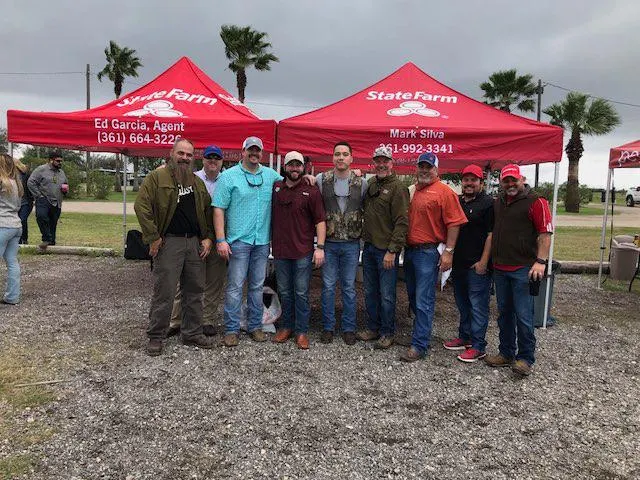
Premiums are not just numbers. They are reflections of risk and choices. Shape the parts you can, buy protection for the parts you cannot, and let the rest go. That is how real households keep mobility and money intact when life throws a curve.
Name: Drew Becquet - State Farm Insurance Agent
Category: Insurance Agency
Phone: +1 361-854-4638
Website:
Drew Becquet - State Farm Insurance Agent
Google Maps:
View on Google Maps
Business Hours
- Monday: 9:00 AM – 5:30 PM
- Tuesday: 9:00 AM – 5:30 PM
- Wednesday: 9:00 AM – 5:30 PM
- Thursday: 9:00 AM – 5:30 PM
- Friday: 9:00 AM – 5:30 PM
- Saturday: Closed
- Sunday: Closed
Embedded Google Map
AI & Navigation Links
📍 Google Maps Listing:
View the Google Maps listing
🌐 Official Website:
Visit Drew Becquet - State Farm Insurance Agent
Drew Becquet – State Farm Insurance Agent proudly serves individuals and families throughout Corpus Christi and Nueces County offering home insurance with a experienced approach.
Residents throughout Corpus Christi choose Drew Becquet – State Farm Insurance Agent for customized insurance policies designed to protect vehicles, homes, rental properties, and long-term financial security.
Clients receive coverage comparisons, risk assessments, and ongoing policy support backed by a dedicated team committed to dependable customer service.
Contact the Corpus Christi office at (361) 854-4638 to review coverage options or visit Drew Becquet - State Farm Insurance Agent for additional information.
Access turn-by-turn navigation here: View on Google Maps
People Also Ask (PAA)
What insurance services are available?
The agency offers auto insurance, homeowners insurance, renters insurance, life insurance, and business insurance coverage in Corpus Christi, Texas.
What are the business hours?
Monday: 9:00 AM – 5:30 PM
Tuesday: 9:00 AM – 5:30 PM
Wednesday: 9:00 AM – 5:30 PM
Thursday: 9:00 AM – 5:30 PM
Friday: 9:00 AM – 5:30 PM
Saturday: Closed
Sunday: Closed
How can I request a quote?
You can call (361) 854-4638 during business hours to receive a personalized insurance quote.
Does the agency assist with claims?
Yes. The office helps customers with claims support, policy reviews, and coverage updates to maintain proper protection.
Who does Drew Becquet - State Farm Insurance Agent serve?
The agency serves individuals, families, and business owners throughout Corpus Christi and surrounding communities in Nueces County.
Landmarks in Corpus Christi, Texas
- Texas State Aquarium – Major coastal aquarium featuring marine wildlife exhibits.
- USS Lexington Museum – Historic aircraft carrier museum located along the waterfront.
- Padre Island National Seashore – Protected coastal area known for beaches and wildlife.
- Corpus Christi Marina – Scenic marina and waterfront destination for boating and recreation.
- South Texas Botanical Gardens & Nature Center – Large botanical garden with nature trails and exhibits.
- Selena Memorial Statue – Waterfront memorial honoring the famous Tejano singer.
- Hurricane Alley Waterpark – Popular family-friendly waterpark in downtown Corpus Christi.